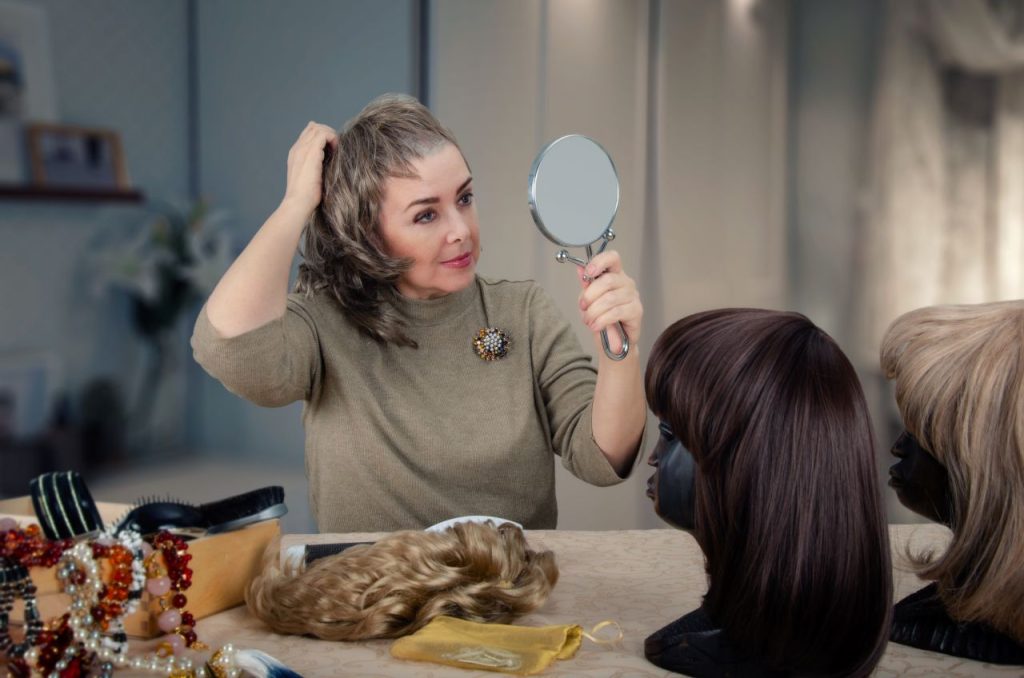
For individuals undergoing chemotherapy, hair loss and thinning is often expected during treatment. While useful for fighting cancer, chemotherapy drugs can’t distinguish between rapidly dividing cancer cells and other fast growing, healthy cells. As one of the fastest dividing cells in the body, hair follicles are often the first to feel the more negative impact of chemotherapy.
While not every chemotherapy patient suffers hair loss and thinning, a large percentage do. Chemotherapy-induced alopecia is such a big fear for some that they refuse treatment completely, with 14% of women choosing not to undergo chemotherapy to protect their follicles.
Taking every chance to fight cancer is important though, and thankfully, we provide a natural looking, instant and supportive solution should you suffer hair loss or thinning during chemotherapy. Read on to discover how to pick the perfect wig to wear during chemotherapy and recovery…
Whether you’re exploring wig wear due to chemotherapy treatment or for another reason entirely, comfort matters. Here at Wigs4u, we only stock wigs that are great to wear, with the soft and breathable caps of our designs made for sensitive scalps.
When it comes to comfort, getting your head measurements just right is a key factor. A snug wig is more comfortable than a tighter style, with chaffing and further inflammation common with ill-fitting designs. Our wigs feature adjustable straps to ensure a great fit comes as standard. Check out our wig size guide for more advice on achieving the perfect fit.
Alongside your wig choice and fit, exploring techniques like scalp cooling can provide an effective way to embrace comfort and minimise hair loss. We’ll let Cancer Research UK explain more:
“Scalp cooling can sometimes reduce the amount of hair loss. Scalp cooling lowers the temperature of your scalp and reduces the blood flow in the scalp. This reduces the amount of chemotherapy that reaches the hair follicles on your head. With less of the chemotherapy drugs getting to the hair follicles, the hair is less likely to die off and fall out.”
Heavy wigs can become uncomfortable, especially if you intend to rely on them all day long. With chemotherapy also causing scalp sensitivity and discomfort, putting extra pressure on this area isn’t recommended. That’s why when selecting a wig for chemotherapy, you should go as lightweight as you can.
Understanding the differences between light, medium and full density wigs is vital. Density not only impacts the finish but affects how comfortable a wig is to wear. Lower density wigs are ideal for people having chemotherapy due to their lightness and breathability.
If you’re keeping your use of wigs on the down low, you should shop for a style that is as close to your natural hair as possible. That being said, many individuals see wig wear as the perfect time to experiment with their look.
Whether you want to try something new or be a little more discreet, choose a wig that puts quality and realism first, such as styles with monofilament caps or lace fronts.
Comfort and appearance are very personal, and so is the wig buying experience. That’s why our consultations should be an integral part of your journey.
As well as being an opportunity to try before you buy, our consultations provide valuable one-on-one time with a wig specialist. They’ll be pleased to address all your wig-related queries and concerns, and show you the latest and greatest synthetic and human hair styles that are great matches for you and your budget.
Contact our team today to book your consultation with us.
 Fast Dispatch, everytime you place your order before 1pm (Monday–Friday) and we’ll aim to process and dispatch it the same day via Royal Mail Signed-For service. Please note: Weekend orders and those with out-of-stock items may take a little longer If there’s a stock issue, we’ll get in touch right away—just make sure your contact details are up to date!
  Thanks for choosing Wigs4U—we’re here to make wig shopping simple, fast, and fabulous!