When choosing a wig, it’s so easy to focus on the basics. Colour, length and style all matter of course, especially if you’re looking for a wig that’s natural and discreet, but they aren’t the only factors to consider. In fact, one of the most important, and often overlooked, considerations is the density of the wig.
In this blog post, we explore why wig density matters more than you might think and how to select the density that works for you.
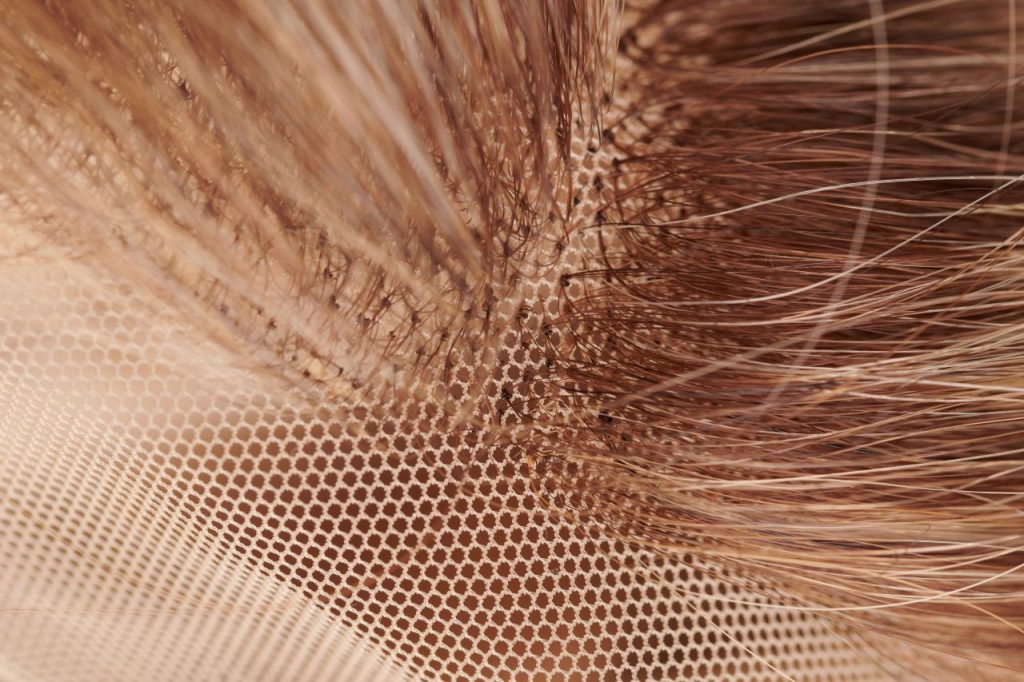
The density of a wig simply comes down to how much hair is used to make it as well as how thick or full the hair appears across the base.
Wig density is usually expressed as a percentage, with a higher percentage equalling a higher density wig and more hair strands. High or full density wigs appear thick and voluminous as a result, while lower density wigs are lighter in weight with a finer finish.
Wig densities are generally categorised as low (light), medium or high (full). In terms of the percentages we mentioned earlier, low density wigs offer 50 to 80% of the standard amount of hair, while medium density wigs boast 100 to 130% fullness. A high-density wig can deliver double the strands, with 150 to 200% more than the average.
But, what does this mean for the number of strands the wig contains? Here the Wig Making Blog answers this very question:
“Hair density in wigs is typically measured by the number of hair strands present per square inch on the wig cap.
– Low Density: 60-100 hair strands per square inch
– Medium Density: 100-130 hair strands per square inch
– High Density: 130-200+ hair strands per square inch
It is important to note that hair density can vary slightly between wig manufacturers, so it is recommended to refer to the specific density measurements provided by the wig brand.”
Density can dictate both appearance and wig comfort. Visually, the wig density can ensure a natural finish, which makes getting the balance just right important.
A light density wig could appear too sparse, especially around the hairline, but may move more naturally. In comparison, high density wigs offer the volume many hair loss sufferers crave. They also hold their shape well to minimise the need for heat styling.
The feel of the wig will be directly influenced by its density too. Lower density wigs for instance tend to be lighter and cooler, making them ideal for summer wear.
Your wig choice is a very personal decision, which means you’ll need to consider your individual circumstances, and yours alone. Your hair history, underlying hair loss condition and lifestyle could make one particular wig density better for you than another.
If your natural hair was on the finer side, a low or medium density design may feel more authentic and comforting. Light density wigs are known and loved for their breathability, which tends to make them better options for daily wear. The glamour of a full bodied, high density wig is suited to special occasions and shorter periods of wear.
The best way to find the right density for you is to try before you buy. The right wig density should make you feel confident and comfortable, not self-conscious or weighed down. That’s why our private wig consultations are the perfect next step. Contact us today to book yours.
 Fast Dispatch, everytime you place your order before 1pm (Monday–Friday) and we’ll aim to process and dispatch it the same day via Royal Mail Signed-For service. Please note: Weekend orders and those with out-of-stock items may take a little longer If there’s a stock issue, we’ll get in touch right away—just make sure your contact details are up to date!
  Thanks for choosing Wigs4U—we’re here to make wig shopping simple, fast, and fabulous!