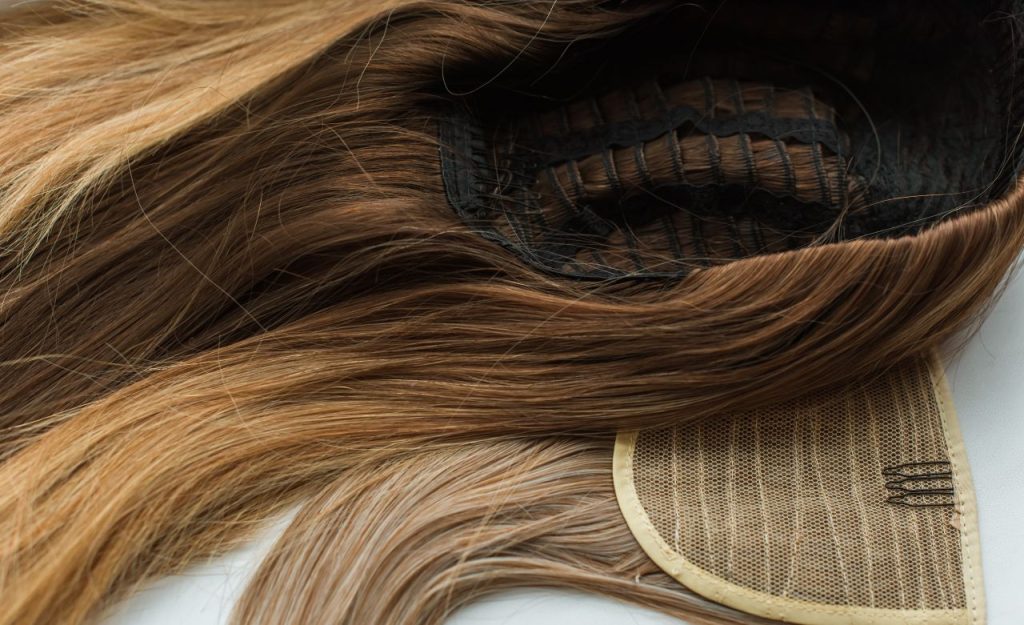
Unfortunately, so many wig wearers have been on the receiving end of wig slippage, and it really is no fun at all! Keeping a wig in place can be an exhausting daily struggle, with a loose wig that isn’t secured properly a real bug bear that can ultimately disrupt comfort and ruin your look.
Wig slippage is one of the most common wig problems for daily and occasional wearers. Stopping your wig from slipping all day long is possible however, and the following expert tips from our team of experienced wig consultants will help you achieve just that!
Measuring for a wig can be daunting, especially if it’s your first try! Yet, getting those measurements right influences just how comfortable and confident you feel every day in your wig. A great fit is also instrumental in stopping the dreaded slippage. Read this guide to selecting the right wig size for further information.
Don’t forget to choose a wig style with adjustable straps to seal the deal and prevent slippage. This often overlooked feature can work wonders when keeping your wig in place as LDNFASHION explains:
“Even within petite sizing, fit can vary. That’s why adjustable straps inside the cap are such a big deal. Most decent wigs have Velcro or hook-and-eye closures that let you take in an extra half inch or so. Small difference, big impact. If a wig you love doesn’t come in petite, check whether it has good adjustment options — sometimes that’s enough to make it work.”
All the wigs we stock and so proudly supply here at Wigs4u come complete with adjustable straps, which means you’re one step closer to a perfectly poised wig.
Alongside adjustable straps, some use adhesives like wig glues and tapes to stay secure all day long. Adhesives are particularly useful when applying lace front wigs or wigs worn for exercise.
When applying adhesive, be sure to complete a patch test before use. Add a small amount of the product to a small, clean patch of skin that is unlikely to be disturbed (like behind the ears or on the inner arm) and leave for between 24 and 72 hours. If the area becomes red, itchy, swollen or uncomfortable during this period, the tested product should not be used.
If you get the all clear and do not suffer an allergic reaction, apply your chosen adhesive to clean, dry skin to secure your wig and say “goodbye” to slippage. Remember, your adhesive should be detached or dissolved with the correct remover, which must also be patch tested before use.
Wig liners do more than just provide valuable protection against moisture, heat and friction. They offer a smooth base to secure your wig too, making sure your wig is snug and supportive, not too tight or too loose. With this in mind, a wig liner is an important part of the puzzle when preventing slippage.
Prep your hair and scalp further to create a solid base for minimal slippage. Avoid bulk by opting for flattening styles like braids, cornrows or a low bun. Be sure to keep these styles a little loose to prevent the tightness that can cause traction alopecia.
Keeping your natural hair and scalp clean and oil-free is also important and will ensure a secure fit with far less unwanted movement.
If the answer is “no” and you are still suffering from slippage, maybe it’s time to upgrade to one of our adjustable wig styles or invest in our premium wig adhesives. Explore our full range of wigs and accessories today!
