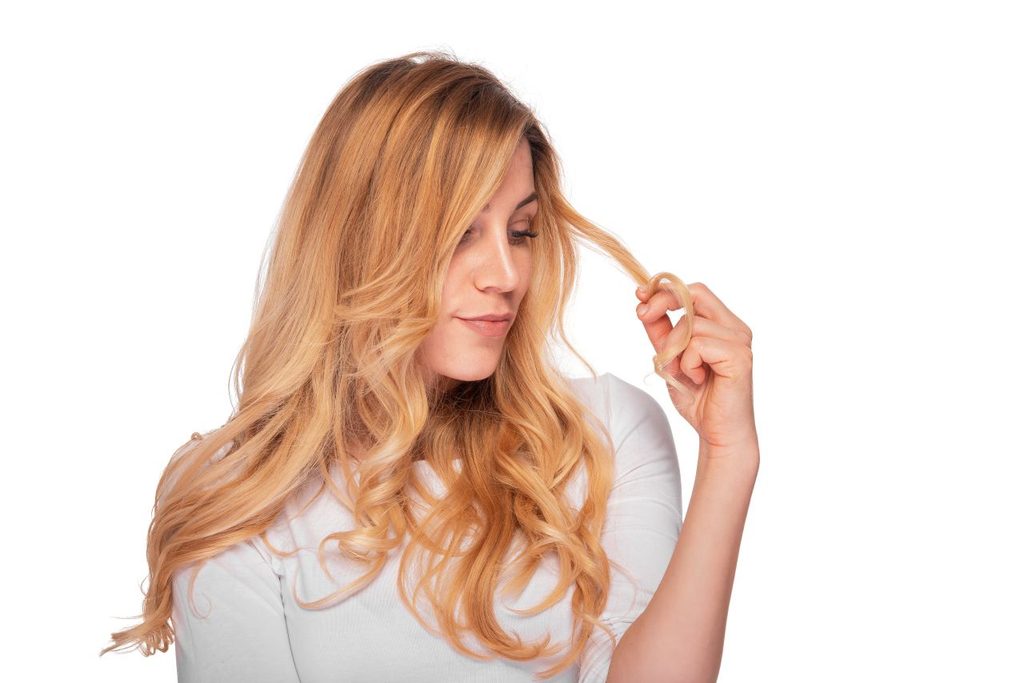
While it’s easy to assume, not everyone who wears a wig is experiencing hair loss. Wigs are brilliant options for all types of people, including those with temporary or permanent hair loss, but also many more.
For people with long natural hair, wigs are the perfect way to experiment with their style, change up their look without anything permanent, save money on everyday styling, or enjoy a low maintenance look that doesn’t take an age to achieve. Wigs can also be used as protective styles to safeguard the hair underneath.
Whatever the reason behind your wig wear, those with longer natural hair have quite the conundrum – where on Earth does all that lovely hair go? When fitting your wig and keeping your natural hair safely under wraps, preparation really does make perfect. Here are our tips for achieving just that!
Your natural hair needs a little TLC before being placed under a wig. It’ll not only keep your hair fresh and healthy, but keep your wig looking and feeling good too. Before fitting your wig, make sure it is clean, free from tangles and thoroughly dry. Damp natural hair is a big no-no when wearing a wig with long hair, with the moisture and sweat that remains only irritating the scalp.
You don’t have to wash your hair before every wig wear however. Just make sure it is fresh, dry and free from excessive product build-up.
It’s not enough to simply pile your long natural hair on top of your head – the lumpy, bumpy look isn’t one that you want to be known for! Hair should instead be distributed as evenly as possible across the head. Do this with loose braids or flat twists, avoiding tight ponytails and buns that cause tension, stress and make wig wear uncomfortable.
A wig cap is a fantastic investment for those looking to achieve the smoothest possible foundation for wig wear. It keeps longer hair fully contained, preventing stray strands from escaping at the edges. With a wig cap, it is important to get the fit just right – too tight and it’ll cause discomfort, too loose and it won’t be containing very much at all.
The edges of your hair are particularly vulnerable to damage, with the hair around your temples and hairline very delicate indeed. With this in mind, you should be mindful when using adhesive, clips, combs and other wig securing methods. A secure wig shouldn’t come at the expense of your natural hair.
If you’re wearing a wig regularly, remember that your natural hair still needs care. Detangle, clean and condition, take care of your scalp, and avoid excessive heat and tight styling to keep your natural hair healthy and beautiful. You should also give your scalp and hair some wig-free time. The ideal time to do this is at night for a long list of reasons as Glamour details:
“If you can take your wig off while you’re sleeping, please do so… This gives your natural hair time to breathe, maintains the longevity of the wig, and cuts down on styling time. It’ll be ready to go for the next morning without a ton of touch-up time. This means that as long as you stay on top of your wig’s care, you can wear styles for weeks at a time before having to switch up to something new.”
Enjoy wig wear and long hair by shopping our range of human hair wigs and synthetic wigs today.
 Fast Dispatch, everytime you place your order before 1pm (Monday–Friday) and we’ll aim to process and dispatch it the same day via Royal Mail Signed-For service. Please note: Weekend orders and those with out-of-stock items may take a little longer If there’s a stock issue, we’ll get in touch right away—just make sure your contact details are up to date!
 Thanks for choosing Wigs4U—we’re here to make wig shopping simple, fast, and fabulous!
