A natural, realistic look is coveted by wig wearers everywhere, with those looking to keep wig wear under wraps not wanting to advertise their use of wigs and hairpieces to the world so obviously! A tell-tale sign that will immediately expose you is a poor quality wig. Unfortunately, there are A LOT of those on the market, which makes identifying quality vital when wig shopping. In this blog post, we share how you can spot quality, and avoid any unrealistic alternatives…
As the first thing people notice, the hairline is one of the most important parts of a wig. A quality wig features a soft, irregular hairline that mimics the way natural hair grows rather than a perfectly straight, uniform edge. The lace front wig is a top choice for those looking for the most realistic hairlines. To make the most of your lace front wig, the following is recommended by Byrdie too:
“If you use a lace front wig, it’s essential to know that some come with unbleached knots. If that’s the case, the first thing you’ll want to do is bleach them. ‘Bleaching the knots involves applying a bleaching solution to the lace material of the wig, primarily at the hairline, to lighten the knots where the hair strands are tied,’ DeFreitas says. ‘This process helps to make the knots less visible and creates a more natural-looking hairline when the wig is worn.’”
Find further advice on blending the hairline of your wig to perfection here.
Density matters when investing in a high quality, realistic looking wig. It is easy to forget that natural hair isn’t uniformly thick from root to tip.
Wig densities range from low (categorised as 60-100 hair strands per square inch) to high (which equates to 130-200+ hair strands per square inch), although this can vary between wig manufacturers. High quality wigs are designed with an appropriate low to medium density, avoiding the overly full, bulky appearance that’s common in cheaper alternatives. Sometimes less really is more!
The wig cap can be another sign of poor quality, and may also lack the realism that you need to wear your wig with confidence each day.
The monofilament cap is often regarded as the best in the business for a natural look. This cap type gives the illusion of a natural scalp by allowing the hair to appear as though it’s growing directly from the head. It can also be parted in almost every area to allow for a whole range of different styles.
The fibres themselves need to look and feel natural to complete the puzzle. Artificial shine is a real issue in the world of wigs, as well as one of the biggest giveaways of a low quality synthetic style. The colour of wig fibres can also result in second looks, with many poor quality wigs missing the multi-tonal colouring of natural hair.
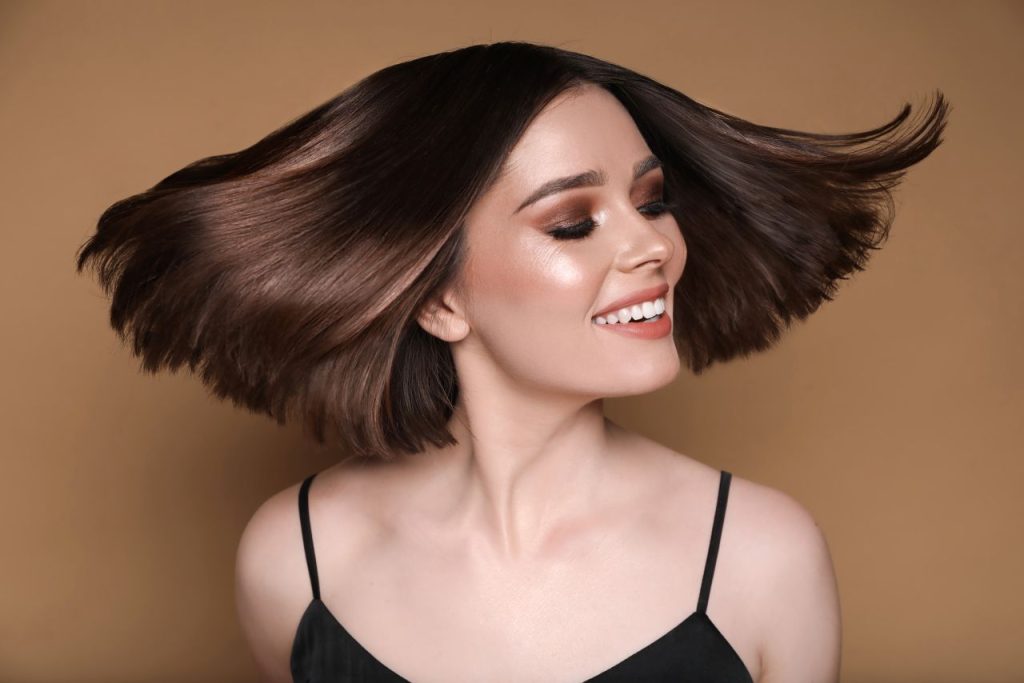
High quality wigs move more gracefully too, with the soft, fine fibres of premium human hair and synthetic styles moving just as nature intended.
Quality isn’t difficult to spot when browsing our collection of human hair and synthetic wigs. As a Cancer Research UK recommended wig supplier, our wigs are trusted by wearers from all walks of life and with all hair loss conditions. Browse our selection of wigs today to find yours.
 Fast Dispatch, everytime you place your order before 1pm (Monday–Friday) and we’ll aim to process and dispatch it the same day via Royal Mail Signed-For service. Please note: Weekend orders and those with out-of-stock items may take a little longer If there’s a stock issue, we’ll get in touch right away—just make sure your contact details are up to date!
 Thanks for choosing Wigs4U—we’re here to make wig shopping simple, fast, and fabulous!
