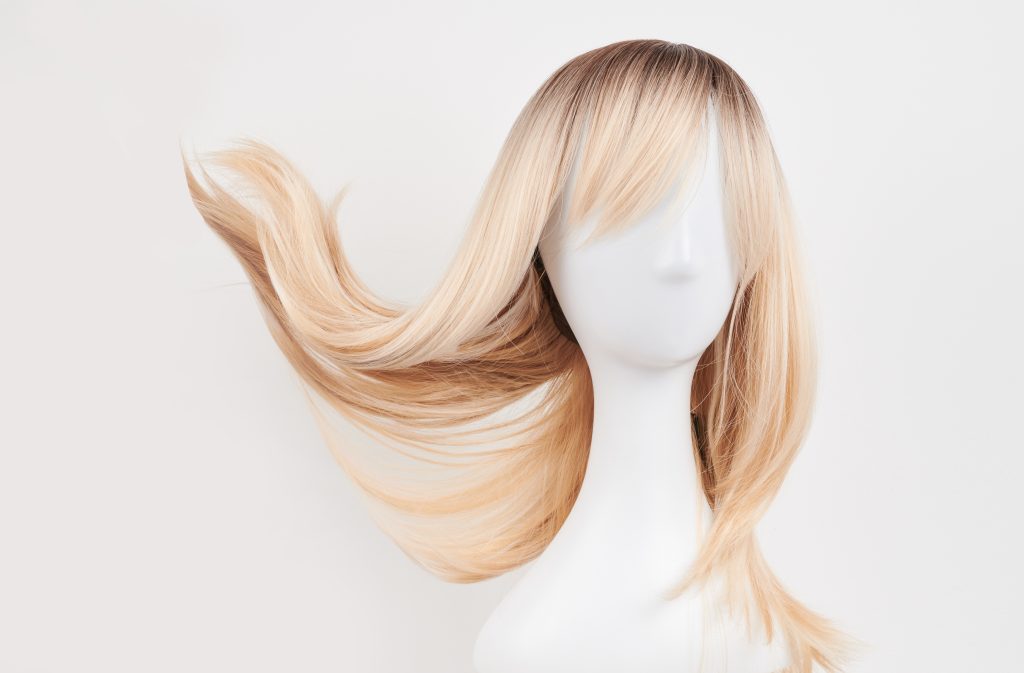
The benefits of wearing a wig are many, especially if you’re currently dealing with hair loss or thinning. With a great number of wig styles and shades to explore, the possibilities are endless and can be extremely creative when shopping for a wig that works for you. Without the right care and a little caution however, there is a darker side to wearing wigs.
Here we reveal the truth about whether wigs are bad for your natural hair and scalp so you can embrace all the perks of wig wear – without any damage or drama!
The answer to this question isn’t at all simple. Damage depends on several factors, including how often you wear wigs, and how well you take care of both your wig and your natural hair underneath.
Wigs unfortunately have a number of negatives going against them, with the rubbing of wig caps, combs and clips causing friction and tension along the hairline and nape of the neck. Gluing your wig in place may be an alternative, yet glued lace front styles have been linked to the onset of traction alopecia.
The scalp doesn’t take kindly to a tight wig either. A poor-fitting wig worn without breaks can reduce airflow, cause the build-up of sweat and heat, and trigger the production of excess sebum. The result? An uncomfortable wig wearing experience, with itching, dandruff and folliculitis all common.
Absolutely not! The negatives of wig wear mentioned above are all very well publicised, but it’s important to note that wigs can be used to protect thinning, fragile hair and sensitive scalps too.
With a wig, you can give damaging hair treatments (including heat styling and chemical treatments) a miss without compromising a look you love. By wearing a wig, you’ll also shield your hair from environmental damage.
Alongside air and water pollution, exposure to the sun can adversely effect hair and scalp health; here Trichology.com explains how:
“Sun rays can hurt our hair just like they can harm our skin. The sun’s UV radiation breaks down the strong bonds that hold hair proteins together. This leads to weaker hair that can break easily. When hair is exposed to a lot of UVA and UVB light, it loses its strength and shine. Too much sun can take away moisture from your hair making it dry and brittle. It also messes with the natural oils on your scalp leading to more damage.”
The length of time you continuously wear your wig can play a major role in whether it’s protective or potentially damaging to your natural hair and scalp. It is recommended that you take regular breaks from wig wear to let your scalp breathe. You should also avoid sleeping in your wig to ensure the hair and scalp can be properly cared for in between wears.
Wearing your wig continuously – i.e. for weeks without removal – can put you at risk of scalp irritation, hair breakage, dryness and the permanent weakening of follicles.
As well as taking regular wig-free breaks, you should make sure your hair, scalp and wig care routines are up to scratch. Your natural hair should be washed regularly and moisturised often to keep it healthy and hydrated, even if it spends the vast majority of its time hidden underneath your wig!
Letting your scalp breathe is another must; while environmental damage is a concern, your scalp needs to be exposed to air and sunlight in moderation to keep circulation healthy. Circulation can also be stimulated with scalp massage and the use of a silk or satin wig liner.
Your choice of wig is an important consideration too. The wig you select should have a breathable, lightweight construction to prevent pulling and promote airflow. Washing your wig and drying it thoroughly will also minimise irritation and inflammation.
For further advice on caring for your natural hair and scalp during wig wear, please read this guide.