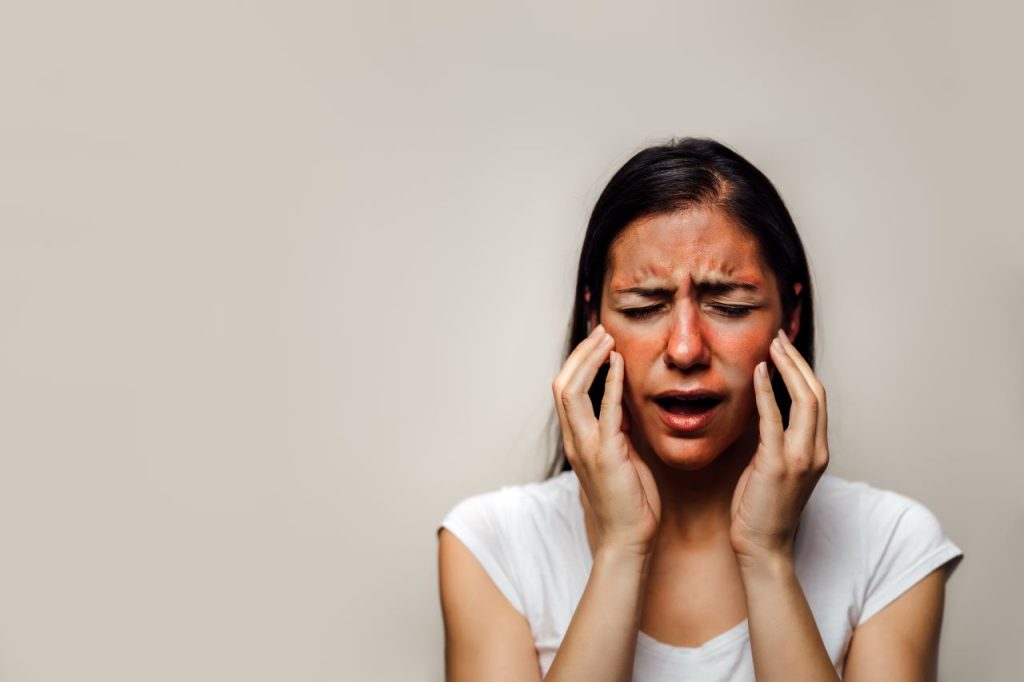
There are many disorders and conditions that result in the loss or excessive shedding of hair. From trichotillomania and polycystic ovary syndrome (PCOS) to alopecia, anaemia and hypo/hyperthyroidism, the list is never-ending. One lesser known cause of hair loss however is lupus.
Lupus is an autoimmune disease that causes long-term challenges for its sufferers. In its mildest form, the condition causes joint pain, skin problems and fatigue, with moderate to severe cases resulting in inflammation and severe damage of vital organs. With no cure currently available, sufferers have to manage their lupus symptoms daily and learn to live with the disease.
Hair loss is a common symptom of lupus. In this blog post, we explore the connection, and what changes you can make to control hair loss and live life your way regardless of your diagnosis.
Hair shedding and loss are in fact the earliest symptoms of lupus. The scale of hair loss and thinning varies dramatically from sufferer to sufferer. Here Healthline details what to expect during those early stages:
“Hair loss is the result of inflammation of the skin and scalp. Some people with lupus lose hair by the clump. More often, hair thins out slowly. Some people also have thinning of the beard, eyebrows, eyelashes, and other body hair. Lupus can cause hair to feel brittle, break easily, and look a bit ragged, earning it the name ‘lupus hair’.”
Inflammation is one of the many symptoms of lupus as well as a primary trigger for hair loss and thinning. Whilst not every lupus sufferer will experience hair loss, the presence of inflammation makes gradual thinning and breakages more likely, especially where follicles are at their most delicate along the hairline.
People with moderate or severe lupus will also find that the sores and lesions commonly associated with the autoimmune condition cause permanent scarring that prevents follicles from producing hair. As a result, many will find these scar sites hair-free or with minimal growth. If you require medication to manage lupus symptoms, this may also worsen hair loss.
In most cases, hair loss caused by lupus can be reversed, providing sufferers don’t have the permanent scarring caused by sores and lesions as mentioned earlier. Certain medications, including corticosteroids and immunosuppressants, may also help to turn the tide on lupus hair loss.
Making changes to your lifestyle has been found to have a positive effect on hair health, even in those negotiating lupus hair loss challenges. Minimising your exposure to the sun, eating a healthy and balanced diet, adopting effective stress management tactics, and getting a great night’s sleep every night will all help you lay the foundations for recovery.
Taking precautions to care for your natural hair is recommended too. Don’t indulge in excessive heat styling or colouring, refine your hair care routine, and sleep on a silk or satin pillow to lower the risk of breakages.
Using a wig to enjoy a luscious yet protective style is another top tip that can help lupus sufferers enjoy life confidently and preserve their natural follicles underneath.
Shop our range of wigs today to find a protective style that suits you and doesn’t cost the Earth.
