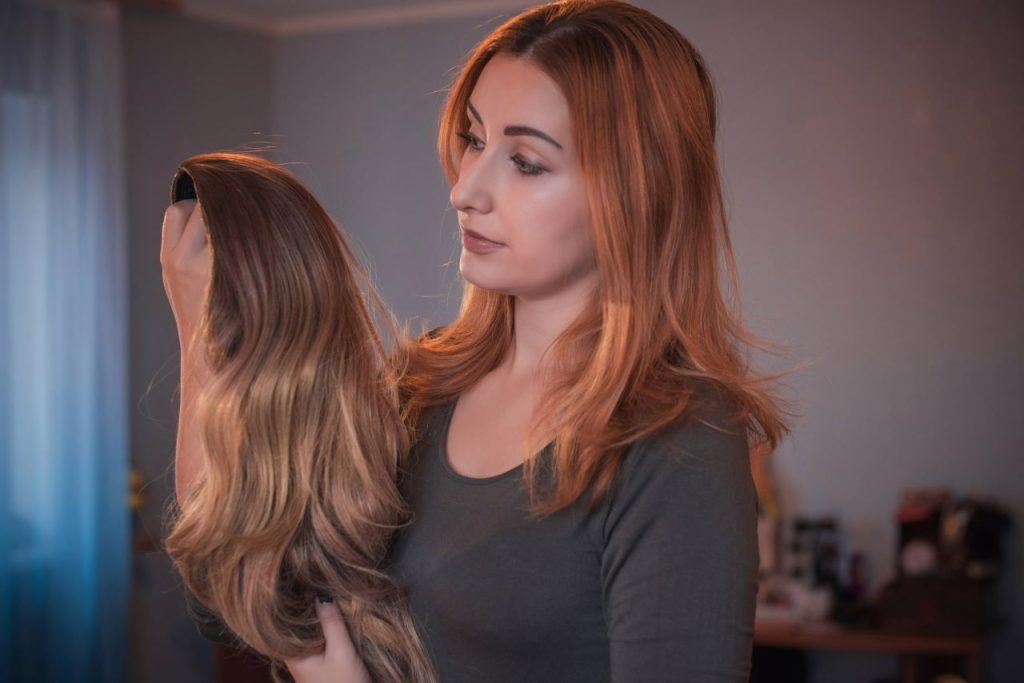
A great fitting wig has the power to deliver endless variety, convenience, coverage and even a confidence boost to its wearer. Whatever your motivation for exploring our range of quality wigs, or your budget, making your wig last will certainly be on your mind when purchasing for the first time, buying a replacement or treating yourself to a new one.
Like any hair product, wigs have a lifespan. With this in mind, knowing what to expect from yours is a must…
The lifespan of a wig varies depending on several factors. The material the wig is constructed from, its quality, how well you’ve cared for it and the environment it’s subjected to can all influence how long a wig lasts. How often you use the wig will also impact its endurance.
By purchasing your wig from a reputable retailer and avoiding cheaper, ill fitting alternatives, you can invest in a wig product that stands the test of time and keeps delivering the long list of benefits we mentioned earlier.
The debate on whether human hair or synthetic wigs are best rages on, and you’re certain to have your preference as a seasoned wig wearer. Crafted using artificial fibres, synthetic wigs are well known and much loved for their low maintenance and affordability. Human hair wigs tend to offer more quality and greater versatility for their higher price tag. When considering their longevity however, there’s one wig type that comes out on top.
Human hair wigs tend to last longer as a rule of thumb, with replacement only required after a year or more with proper maintenance. Human hair wigs are heavier and hotter than synthetic and take more care with styling required each day. Synthetic wigs tend to have shorter lifespans ranging from 4 to 6 months when worn daily and can gain fibre friction over time too. They cannot have any heat used on them whereas Human hair can have heat used on them.
The quality of the wig’s construction also plays a role, with hand-tied or lace-front wigs generally outlasting machine-made alternatives.
To make your wig last longer, proper care is essential. Gently detangle your wig before and after each wear using a wide-tooth comb or dedicated wig brush to prevent the unnecessary fibre strain and stress that can so easily shorten its lifespan. Getting the frequency of shampooing and conditioning just right for your wig type also matters as Glamour explains:
“Human wigs should be washed every 7 to 10 wears, while synthetic wigs should be washed every 15 to 20 wears. I shampoo and condition both my human-hair wigs and synthetic wigs accordingly, but I’m careful not to overwash since it can ruin the quality of the hair and decrease the wig’s lifespan.”
Wash the wig sparingly with products specifically designed for its type. We’d recommend using sulfate-free shampoo and conditioner. You should avoid heat styling where possible to keep wig fibres intact for longer too.
When your wig isn’t in use, store it on a wig stand to maintain its shape and prevent tangling, keeping it well away from direct sunlight, heat and humidity. Sleeping, swimming or showering in your wig is also not advisable if you want it to stay in tip top condition for longer.
Knowing when to call it quits and invest in a replacement wig is important. No matter how well you’ve cared for your wig, nothing lasts forever.
Over time, you may find that your wig tangles more easily and is increasingly difficult to style. Your wig could also become less voluminous and may no longer fit as it did. Fading, discomfort during wear, and persistently unpleasant odours are other signs to purchase a new wig.
Do these tell-tale signs sound familiar? Browse our range of human hair and synthetic wigs to find a fresh new look that lasts.
