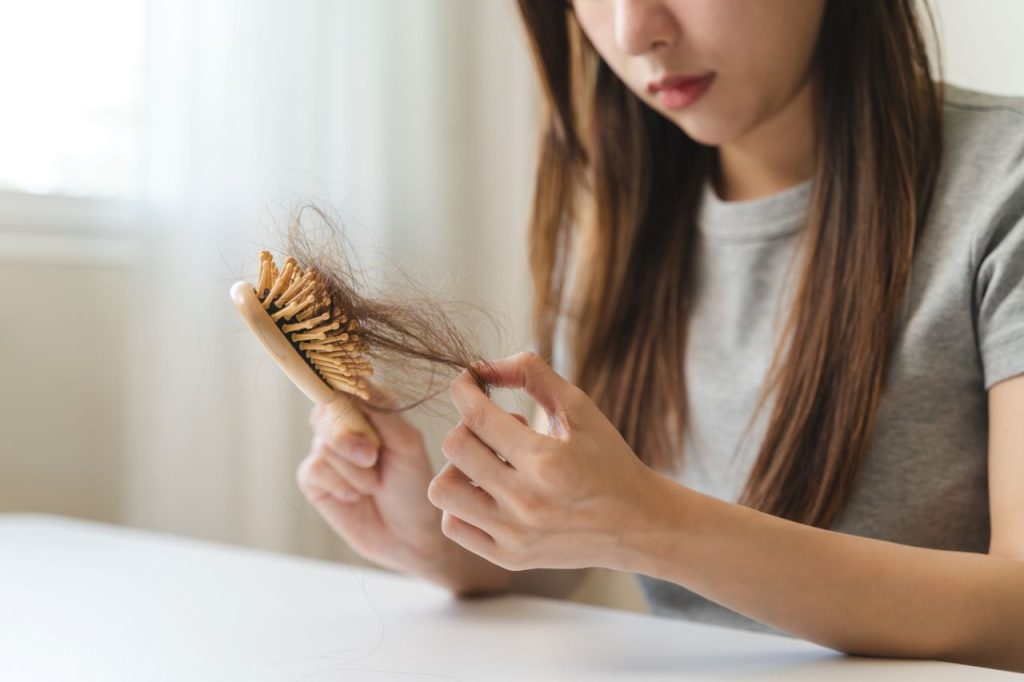
For people worried about hair loss and thinning, getting the guidance and support to handle it with confidence and clarity isn’t always easy. There is a lot of misinformation out there, with countless hair loss remedies promising so much more than they deliver.
As well as being a leading supplier of high quality wigs and hairpieces, we pride ourselves on providing the advice those tackling hair loss and thinning need. Our specialists are here for you, and advise on everything from choosing the perfect wig to eating well to promote natural hair growth. We’re also dedicating our latest blog post to sharing the facts and statistics of hair loss and thinning…
Hair shedding is a completely natural process that forms a vital part of the hair lifecycle. On average, a person loses up to 100 strands of hair each day, with the exact amount of hair lost via shedding varying between men and women as Healthline explains:
“Women tend to lose more hair strands per day than men. There’s no way to measure the difference objectively, because daily heat styling and frequent hair colouring plays a big part in how much of your hair sheds. Approximately 40 percent of women lose extra hair every day because of the way they style it. Women are also more likely than men to experience periods of increased hair shedding due to life events like pregnancy and menopause.”
Whatever your sex, age or life stage, knowing what’s normal for you is crucial. Excessive shedding after all not only points to the onset of hair loss and thinning, but could be a sign of health problems and nutritional deficiencies.
If you are in the early stages of hair loss and thinning, it is important to remember that you are not alone. According to this research, some 50% of men and 25% of women in the UK face hair loss challenges at some stage in their lifetimes.
Male pattern baldness – or ‘androgenetic alopecia’ as it is officially known – is the most widespread cause in British men, with approximately 6.5 million experiencing the condition nationally. Female pattern baldness is even more common with 8 million women affected.
Male and female pattern baldness aren’t the only causes of hair loss, which can make identifying an underlying cause difficult for some individuals. Poor nutrition, hormonal changes, certain medication, stress, scalp issues, beauty treatments and even your choice of hairstyle can cause loss and thinning.
Thinning hair or baldness may also be a sign of more serious health issues, with conditions like diabetes and lupus all linked to hair loss.
Alopecia is the medical term for hair loss as well as the umbrella word society uses to describe several different types of hair loss.
Alopecia areata for instance is a hair loss condition caused by autoimmune disease and is characterised by round or oval bald patches. While central centrifugal cicatricial alopecia (or scarring alopecia) is a permanent form of hair loss widely linked to tight hairstyles and harsh hair treatments.
Alopecia isn’t just prevalent in the human race, it affects animals too with virtually any creature with hair able to develop symptoms. While less common in our furry friends, alopecia in animals is caused by similar factors, with everything from age and hormones to stress, inflammation and allergies identified as potential causes.
Whether you have been officially diagnosed with a hair loss condition or you’re worried about your thinning locks, help and support is available. Contrary to popular belief, not all hair loss and thinning is permanent. People with hair loss have more treatment options than ever accessible to them.
Our wigs and hairpieces provide lifelines for those looking for a little extra coverage during their hair loss journeys. Explore our collection today right here.
