There are many different causes of hair loss, from genetics and hormonal imbalances (caused by menopause and pregnancy) to stress and poor diet. The onset of certain illnesses and diseases can also have a negative impact on hair and scalp health, with even the treatments used to manage or remedy symptoms becoming primary causes of hair loss and thinning.
Hair loss and cancer treatment for example have long been linked, causing additional heartache for cancer sufferers and their families. Knowing the facts about cancer-related hair loss and where you can turn next is what we’d recommend as you move forward with your treatment.
To help you do just that, we’re here to share the factors about cancer treatment and related hair loss and thinning…
Cancer treatments, particularly chemotherapy and radiation, often cause hair loss. Treatments like these are particularly intensive; they have to be to rapidly target dividing cancer cells in the body.
While treatments are designed to attack cancer cells, they also affect other fast-growing cells, including those charged with maintaining the hair and its health. In fact, hair follicles are among the most rapidly dividing cells due to the constant production of new hair.
Chemotherapy disrupts the life cycle of hair, damaging follicle cells and leading to hair thinning or complete loss known as alopecia.
The extent of hair loss depends entirely on the type and dosage of treatment, so don’t automatically assume that you’ll face hair loss on your journey to recovery.
Not all chemotherapy drugs for instance cause hair loss, with some only resulting in slight thinning. Individuals treated with targeted cancer drugs and immunotherapy have even less risk of experiencing related hair loss. Selected targeted drugs have been found to slow hair growth, while others can cause hair to grow unexpectedly across other parts of the body.
Those undergoing hormone therapy or radiotherapy are most likely to experience hair loss or thinning. Here Cancer Research UK explains why:
“Radiotherapy to the brain always causes some hair loss. If you are having treatment to a particular part of the head, your hair only falls out in that area. You might also have some hair loss on the opposite side of the head, where the radiotherapy beams pass through. This area is called the exit site. Whether or not your hair grows back depends on the type of radiotherapy you’re having.”
According to this study, alopecia is a common side effect for around 65% of patients being treated for cancer.
Unfortunately, there is no way to prevent cancer-related hair loss. Symptoms however can be reduced or concealed, and in most patients, hair typically regrows once treatment ends. Techniques like scalp cooling are often relied on by those who are experiencing hair loss due to cancer treatment.
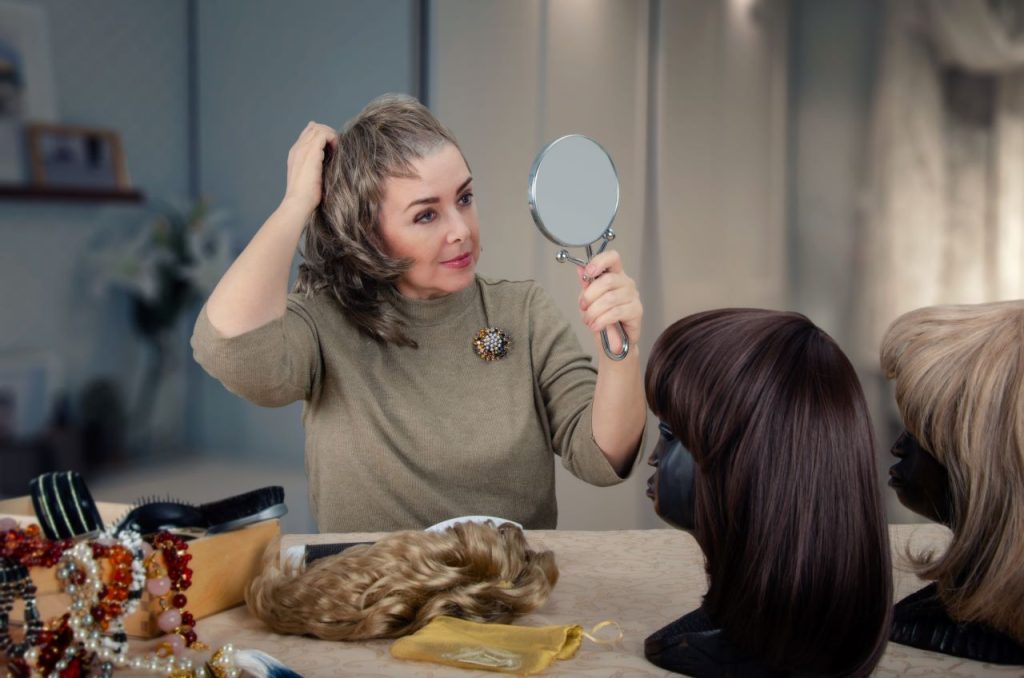
Wearing a wig also offers a much-needed boost for those living with hair loss at this difficult time. Thankfully, finding a great quality wig is just a click away. Whether searching for a wig that matches the style and colour of your natural hair or going for a completely new look, we’re here to help.
We have more than 30 years of experience matching wigs to wearers, with our extensive collection able to provide a truly natural look and feel every time. We understand that comfort is key, especially when undergoing cancer treatment. That’s why our wigs are fully adjustable to guarantee the perfect fit.
Our service is private, convenient and confidential too, with customers able to buy a wig from the comfort of their own home or attend our HQ for an appointment and professional fitting.
Discover more about how Wigs4u can help you choose a wig for cancer treatment right here or contact our team for support.
